
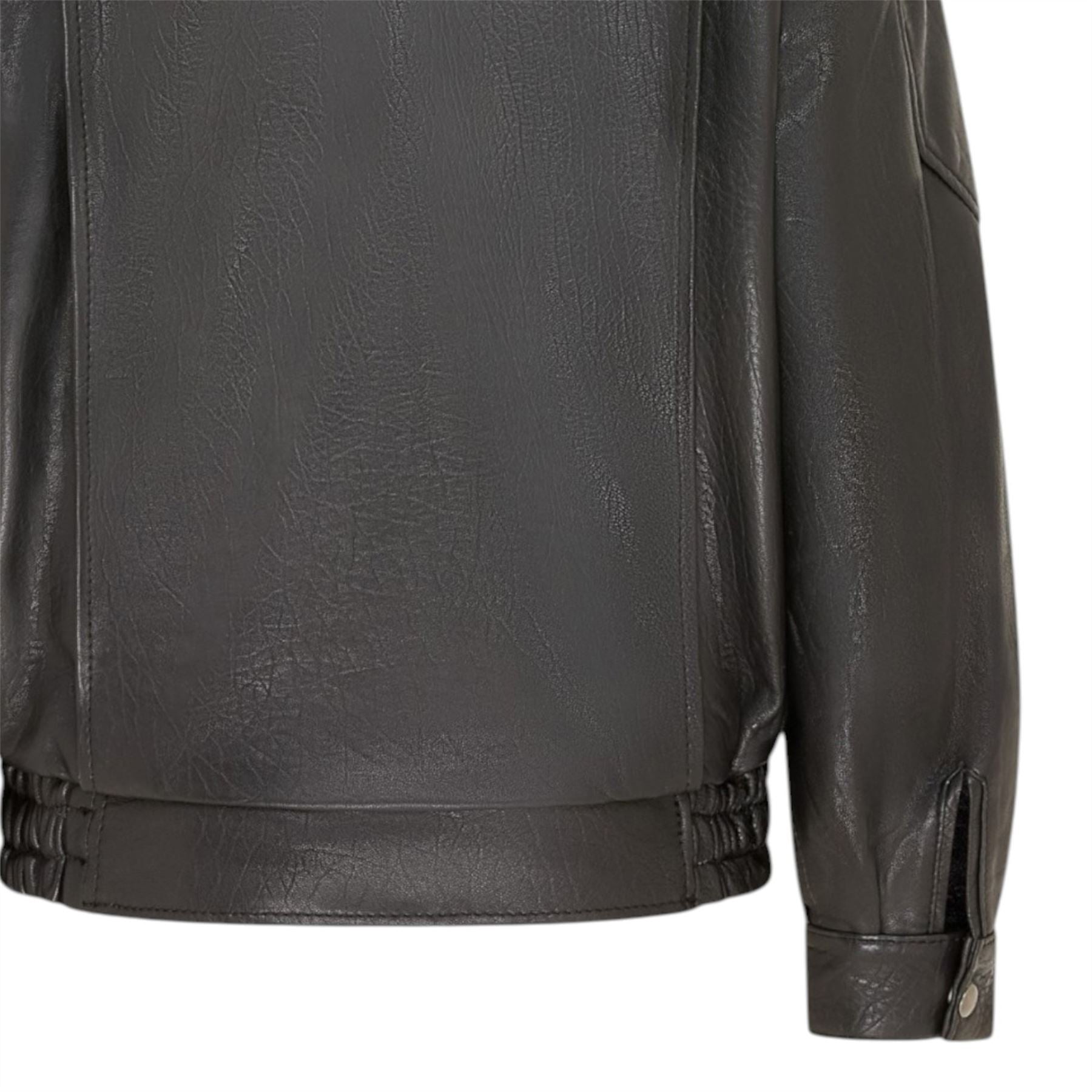
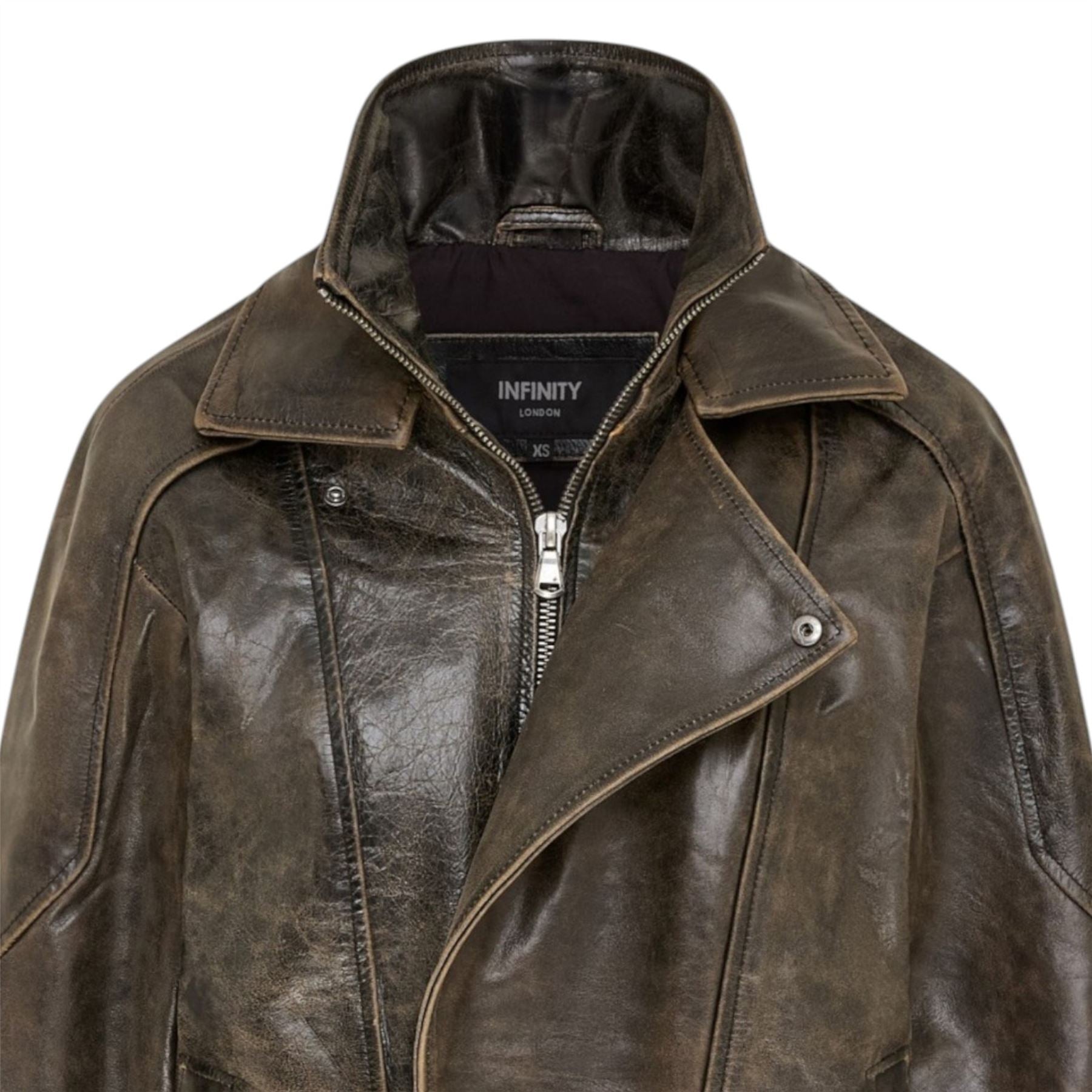
A premium genuine leather jacket is one of the very few garments that genuinely improves with age. Like a bespoke pair of English bench-made shoes or a fine single malt whisky, high-grade leather develops an exquisite patina—a rich, organic character of creases, warmth, and luster that reflects your personal journey.
However, the unpredictable British weather presents unique challenges. Between sudden torrential downpours, persistent damp mist, and abrasive winter road salt, untreated leather can dry out, crack, or fall victim to mildew. In this masterclass guide, the outerwear preservation experts at DA Supermart Ltd detail the scientific do’s and don’ts of maintaining, cleaning, and weatherproofing your leather outerwear for decades of impeccable service.
1. The Science of Water, Damp & Genuine Leather
To care for leather properly, you must understand its microscopic biological structure. Leather is porous animal skin composed of densely interwoven collagen protein fibres. During the tanning process, these fibres are infused with natural nourishing oils that maintain flexibility, tensile strength, and water resistance.
When rainwater saturates unprotected leather, water molecules bind to these natural oils. As the water slowly evaporates, it literally pulls the oils out with it. Left untreated, the collagen fibres dry out, become brittle, and eventually crack permanently. In the United Kingdom, where ambient humidity routinely exceeds 80% during autumn and winter, improper storage can also encourage the growth of micro-fungi and mildew.
Explore Weather-Ready Outerwear →
2. The Emergency Protocol: What to Do When Caught in UK Rain
If you find yourself caught in an unexpected British downpour, follow these five golden rules immediately upon stepping indoors:
- Blot Gently with a Dry Microfibre Cloth: Never vigorously rub soaked leather, as wet grain is delicate and vulnerable to scratching. Use a clean, dry microfibre cloth to gently dab and blot standing water droplets from the surface, lapels, and cuffs.
- Hang on a Broad, Contoured Wooden Hanger: Hang the wet jacket immediately on a thick wooden coat hanger. Avoid thin wire hangers at all costs, as the heavy wet leather will stretch under its own weight, causing permanent shoulder dimples.
- NEVER Use Direct Heat Sources: This is the single most common mistake. Never place your wet leather jacket near a radiator, blow dry it with a hair dryer, or leave it in front of a fan heater. Extreme heat cooks the leather, shrinking the collagen fibres and turning the jacket stiff and brittle like cardboard.
- Dry at Room Temperature with Good Airflow: Hang the garment in a well-ventilated room at normal room temperature (18°C–21°C). Allow it to dry naturally over 24 to 48 hours.
- Re-condition Once Completely Dry: As soon as the hide is thoroughly dry to the touch, apply a light coat of natural leather conditioner to replenish the lost lubricating oils.
3. Routine Cleaning: Removing Dirt, Grime & UK Road Salt
Urban life in British cities leaves a film of exhaust soot, dust, and rainwater residue on leather outerwear. During winter months, highway salt grit kicked up by vehicular traffic contains harsh calcium chloride that rapidly bleaches and corrodes leather.
| Stain / Contaminant | Safe Cleaning Treatment | What to AVOID |
|---|---|---|
| Everyday Dust & City Soot | Dampen a microfibre cloth with warm distilled water. Wipe down gently along the grain. | Never soak the garment; avoid generic chemical household wipes. |
| Winter Road Salt Crust | Mix 1 part white distilled vinegar with 2 parts warm water. Dab salt line until dissolved, then wipe clean. | Do not scrape salt with fingernails or metallic brushes. |
| Grease & Food Splatters | Dust with cornstarch or talcum powder immediately. Let sit for 6 hours to absorb grease, then brush off. | Do not apply washing-up liquid, abrasive dish soaps, or alcohol. |
| Ink & Dye Transfer | Apply a specialised pH-neutral leather saddle soap using circular motions with a soft horsehair brush. | Avoid acetone, nail polish remover, or sanitiser gels. |
Crucial Warning on Chemical Solvents
Never apply baby wipes, wet wipes, hand sanitiser, or window cleaning chemicals to genuine leather. Almost all commercial wet wipes contain isopropyl alcohol, which strips the protective lacquer and bleaches the dye, leaving permanent cloudy grey patches.
4. Conditioning & Weatherproofing: The Step-by-Step Masterclass
For optimum durability in the British climate, condition your jacket every six months—ideally once in October before the winter rains and once in April before spring storage.
Step 1: Perform a Patch Test
Before applying any product across the whole jacket, test a pea-sized amount on an inconspicuous area, such as the inside lower facing or underarm gusset. Wait 20 minutes to verify that the conditioner does not cause undesirable discolouration.
Step 2: Massage the Conditioner
Using a soft microfibre applicator sponge or a clean cotton cloth, massage a thin, even coat of high-grade leather balm (containing natural beeswax, lanolin, or neat’s-foot oil) into the leather using small circular strokes. Pay special attention to high-friction areas: the elbows, collar, cuffs, and front zipper facing.
Step 3: Allow Absorption and Buff
Allow the conditioner to penetrate the pores for at least 30 to 45 minutes. Then, using a soft horsehair buffing brush or dry lint-free cloth, briskly buff the entire surface. This removes any excess wax residue and restores a deep, lustrous satin sheen.
Step 4: Apply a Breathable Weatherproofing Spray
To protect against driving British rain, apply a fluoropolymer-based waterproofing barrier spray from 25cm away. Ensure you use a breathable leather protector spray—never use heavy silicone spray, which seals the pores and suffocates the natural hide.
5. Summer Storage Protocol: Preventing Mould & Structural Distortion
When packing away your heavy outerwear for the summer months, adhere to these preservation principles:
- Use a Breathable Cotton Garment Bag: Never store your leather jacket inside a non-breathable plastic dry-cleaning bag. Plastic traps ambient humidity, creating an incubator for white mould and mildew spores. Always use 100% breathable unbleached cotton or linen covers.
- Keep Away from Direct Sunlight: Store your wardrobe away from direct window sunlight. Ultraviolet rays bleach organic dyes and dry out leather fibres.
- Use Natural Cedar Blocks: Place natural red cedar wood blocks in your wardrobe. Cedar naturally repels fabric moths and absorbs excess moisture without artificial perfumes.
6. Frequently Asked Questions (FAQs)
Can I put a real leather jacket in the washing machine on delicate?
Never. Machine washing saturates the core hides, dissolves the internal lining glues, rusts metal hardware, and causes catastrophic hide shrinkage. If a jacket requires deep internal cleansing, take it to an accredited professional specialist leather cleaner.
What should I do if white mould spots appear on my jacket?
Take the jacket outdoors immediately. Brush away the surface mould with a dry horsehair brush. Mix a 50/50 solution of warm water and isopropyl rubbing alcohol, dampen a cloth, and wipe down the affected area to kill the spores. Dry thoroughly and follow with a full leather conditioner treatment.
Investing in a high-grade handcrafted leather jacket from DA Supermart Ltd means you own a companion designed to last a lifetime. Explore our weather-tested, hand-finished leather outerwear today.